





HIFU for Non-Invasive Skin Rejuvenation
High-Intensity Focused Ultrasound (HIFU) represents a non-invasive skin rejuvenation technology that uses ultrasound energy to target deep skin layers without damaging the surface. Introduced into clinical practice in the late 2000s for non-invasive brow lifting, HIFU is now widely used in Europe to treat facial and neck skin laxity.
HIFU addresses a major challenge of skin aging: the progressive loss of collagen and elasticity that leads to tissue sagging. Unlike traditional surgical techniques, this technology achieves a tightening effect by stimulating natural collagen production, without incisions, injections, and with immediate recovery.
Find trusted clinics offering HIFU treatment →
Clinical Indications for HIFU Treatment
HIFU is indicated for individuals with mild to moderate skin laxity. The main indications include:
- Facial skin laxity (cheeks, jowls, jawline)
- Submental sagging (double chin)
- Eyebrow ptosis
- Neck skin laxity
- Moderate wrinkles and fine lines
- Loss of skin elasticity related to aging
The optimal age to benefit from HIFU is generally between 30 and 60 years. Younger patients can use it preventively, while those over 60 or with severe laxity may obtain more limited results and should consider surgical alternatives.
Mechanism of Action: How HIFU Stimulates Collagen
HIFU uses focused ultrasound waves that penetrate deep skin layers at programmed depths (typically 1.5 mm, 3.0 mm, and 4.5 mm). The concentrated ultrasound energy generates precise thermal elevation, reaching temperatures of 60 to 70°C at the focal point, creating thermal micro-coagulation zones.
This thermal process triggers two main mechanisms:
Immediate collagen denaturation: Exposure to temperatures above 60°C causes partial denaturation of collagen fibers, leading to their immediate contraction and an initial tightening effect.
Delayed neocollagenesis: The creation of controlled thermal micro-lesions stimulates a natural healing response. Fibroblasts are activated and increase their production of type I and III collagen as well as elastin. Histological studies demonstrate that this neocollagenesis begins 30 days after treatment and continues for 10 to 12 weeks.
HIFU specifically targets the middle and deep reticular dermis, and can even reach the superficial musculoaponeurotic system (SMAS), the same layer targeted during surgical facelift. This unique ability to treat deep tissues without affecting the epidermis distinguishes HIFU from other non-invasive rejuvenation technologies.
Find trusted clinics offering HIFU treatment →
HIFU Session Procedure: Protocol and Sensations
A HIFU session typically lasts between 30 and 90 minutes depending on the treated area. The standard protocol includes:
Preparation: The skin is cleansed and an ultrasound coupling gel is applied. A topical anesthetic (EMLA cream) may be applied 60 minutes before treatment to improve comfort, although this is not systematic.
Treatment: The practitioner uses a handpiece that emits focused ultrasound pulses. The number of shots varies according to the treated area (typically 300 to 700 treatment lines for a full face). The most advanced devices integrate real-time ultrasound visualization allowing control of penetration depth and parameter adjustment.
Sensations during treatment: The majority of patients report a sensation of heat and tingling during each pulse. A study of 75 patients indicates that 25.3% experienced pain during the procedure, generally described as tolerable. Periorbital and submandibular areas may be more sensitive. Some practitioners use the "talk anesthesia" technique (conversation to divert attention) to improve comfort.
After treatment: There is no social downtime. Patients can immediately resume normal activities. Slight redness or swelling may appear but generally disappears within a few hours.
Find trusted clinics offering HIFU treatment →
HIFU Results: Timeline and Clinical Efficacy
HIFU results appear progressively, reflecting the natural neocollagenesis process:
Immediate results: Some patients notice a slight immediate tightening effect due to initial collagen contraction.
Optimal results: Maximum improvement appears between 2 and 3 months after treatment, the period corresponding to peak new collagen production.
Documented clinical efficacy: A meta-analysis of 17 studies including 477 participants demonstrates moderate improvement with average scores of 2.74 out of 5 for objective physician evaluation and 2.68 out of 5 for patient subjective satisfaction. A study of 75 patients reports an improvement rate exceeding 80% according to physician evaluation and satisfaction exceeding 78% for patients.
Most responsive areas: Studies show that HIFU is particularly effective at the jawline, cheeks, and perioral region, with less marked results at the forehead and periorbital region.
Duration of results: HIFU effects generally last between 6 and 12 months. Some patients report persistent benefits up to 18 months. This variability depends on age, skin quality, lifestyle, and post-treatment care routine.
Maintenance sessions: To maintain results, maintenance sessions are recommended every 9 to 12 months according to individual evolution.
Find trusted clinics offering HIFU treatment →
Contraindications and Precautions
Forbidden Zones: Major Warning for the Periorbital Region
CRITICAL WARNING: HIFU must NEVER be applied directly to the eyelids or in the orbital eye region without adequate eye protection. Documented severe ocular complications include:
- Traumatic cataract: Ultrasound energy causes denaturation of lens proteins, leading to streak or tadpole-shaped opacities. Several cases have required cataract surgery.
- Iris lesions: Iris depigmentation, detachment of iris pigments, iris atrophy
- Anterior uveitis (iridocyclitis) with severe inflammation
- Corneal opacities: Corneal stromal lesions, corneal edema
- Conjunctival hemorrhage
- Acute increase in intraocular pressure
- Visual deficit potentially reaching 20/630 (severely reduced vision)
- Optic nerve damage with scotoma
These complications occur because focused ultrasound energy at 65-75°C can penetrate through the eyelid and reach ocular structures, causing thermal coagulation of ocular proteins. The shape of lens opacities corresponds exactly to the ultrasound transducer focus, confirming the direct injury mechanism.
Strictly forbidden zones:
- Orbital eye sockets
- Eyelids without certified eye protection
- Temples – depending on the device and depth used
- Levator labii superioris muscle (risk of facial nerve paresis)
If periorbital treatment is considered: The use of medical protective eye shields is MANDATORY. Treatment must be performed ONLY by an experienced practitioner using a device with real-time ultrasound visualization allowing control of penetration depth.
Absolute Contraindications
HIFU is strictly contraindicated in the following situations:
- Pregnancy and breastfeeding
- Dermal implants in the treatment area
- Pacemaker or metal implants (brain clips, defibrillator)
- Active skin infections or inflammation
- Severe cystic acne
- Unstable autoimmune diseases
- Coagulation disorders or ongoing anticoagulant treatment
- Epilepsy
- Active vitiligo
- Silicone implants in the treatment area
Relative Contraindications
Certain situations require thorough evaluation:
- Age under 25 years (collagen production still optimal)
- Age over 60 years (laxity often too pronounced)
- Surgical facelift or laser resurfacing treatment in the last 12 months
- Active smoking and severe photoaging (decreased collagen response)
- Very thin or dehydrated skin
- Body mass index (BMI) greater than 30
Find trusted clinics offering HIFU treatment →
HIFU Side Effects and Complications
Frequent and Transient Side Effects
A systematic review of 22 studies confirms that HIFU has a favorable safety profile, with generally mild and temporary side effects:
- Erythema (redness): Observed in nearly all patients, disappears within a few hours to days
- Mild edema: Common, spontaneous resolution within 24-48h
- Sensitivity or discomfort: May persist for a few days
- Pain during treatment: Reported by 25% of patients, generally well tolerated
Rare Side Effects (2% of cases)
- Bruising or purpura
- Temporary dysesthesia (numbness or hypersensitivity)
- White striae (generally at neck level)
- Superficial burns (in case of incorrect application)
- White dermal papules
- Contact dermatitis
Severe Complications (Exceptional but Documented)
Cases of severe complications have been reported in the literature, mainly related to inappropriate treatment of the periorbital region:
Ocular complications (when HIFU is applied near the eyes without protection):
- Traumatic cataract requiring surgical intervention
- Significantly reduced vision (documented cases with visual acuity dropping to 20/630)
- Persistent deep corneal opacities
- Severe anterior uveitis
- Permanent iris atrophy
- Detachment of iris pigments
- Acute increase in intraocular pressure
- Optic nerve lesions
Other complications:
- Transient facial paralysis (if treatment too close to the levator labii superioris muscle)
- Excessive fat atrophy with paradoxical sagging (too aggressive treatment of fat layers)
Important: Nearly all severe ocular complications occurred during treatments performed WITHOUT adequate eye protection or by untrained operators. These complications are preventable through rigorous patient selection, absolute respect for forbidden zones, use of protective eye shields when treatment approaches the periorbital region, use of certified devices with real-time visualization, and intervention by trained and experienced practitioners.
Find trusted clinics offering HIFU treatment →
HIFU Pricing
In Belgium, the cost of a HIFU session varies according to several factors:
- Extent of treated area (full face, neck, targeted areas)
- Reputation and location of the clinic
- Type of device used
- Practitioner expertise
Indicative range:
- Full face: €800 - €1500
- Face + neck: €1200 - €2000
- Targeted area (e.g., jawline only): €400 - €800
It is important to note that HIFU is an aesthetic treatment not covered by health insurance. Beware of abnormally low prices that may indicate the use of uncertified devices or the intervention of unqualified practitioners.
Find trusted clinics offering HIFU treatment →
Concerns HIFU can treat
- Abdominal fatAbdominal fat may sit beneath the skin or deeper around the internal organs.
 Accordion linesAccordion lines are fine vertical or fan-shaped lines on the outer cheeks that appear when smiling.
- Arm fatArm fat describes localised subcutaneous fullness in the upper arms.
- Banana rollA banana roll is a curved fold of fullness just beneath the buttock crease over the upper back thigh.
- Cellulite on legs and armsCellulite is a dimpled surface caused by the relationship between superficial fat, fibrous bands and skin.
- Cellulite on the buttocksButtock cellulite is the common dimpled surface produced where fibrous bands tether skin over superficial fat.
 Double chinA double chin is fullness or a fold beneath the chin, also called submental fullness.
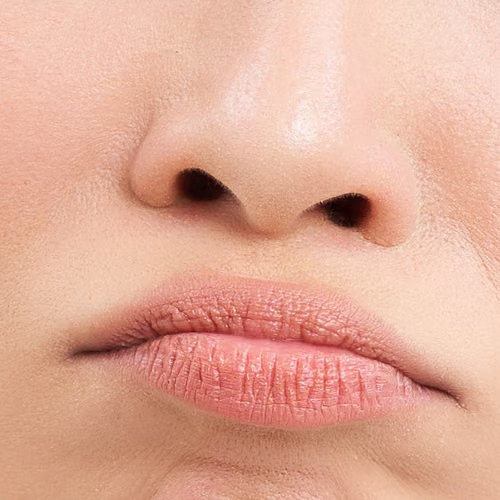 Downturned mouth cornersDownturned mouth corners describe a resting shape in which the oral commissures angle downward.
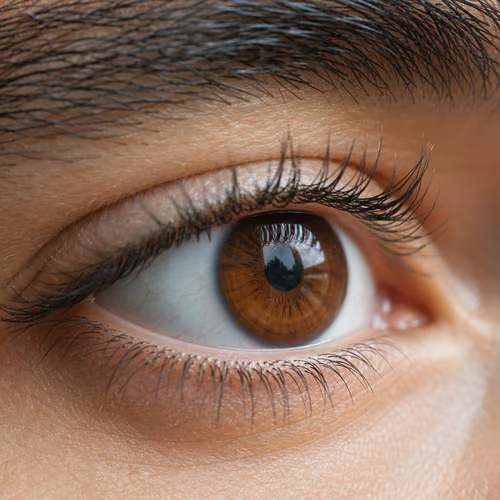 Eye-area concernsEye-area concerns can include dark circles, puffiness, hollows, excess upper-lid skin and fine lines.
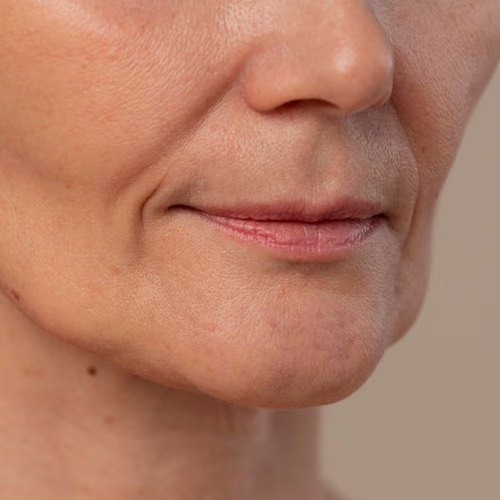 Facial saggingFacial sagging describes visible descent or looseness of facial soft tissues, often around the cheeks, jawline and mouth.
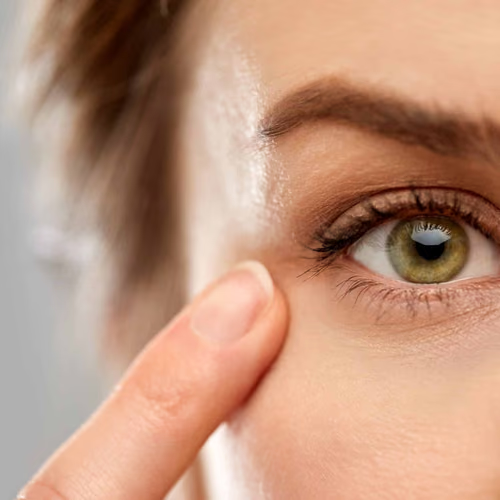 Hooded eyelidsHooded eyelids describe upper-lid skin that folds over the natural crease, sometimes reaching the lash line.
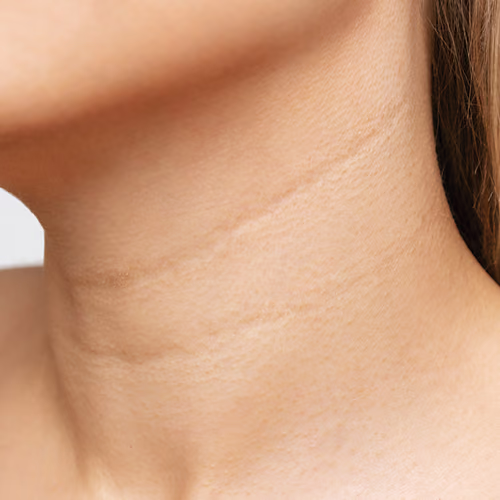 Horizontal neck linesHorizontal neck lines are creases that run across the front or sides of the neck.
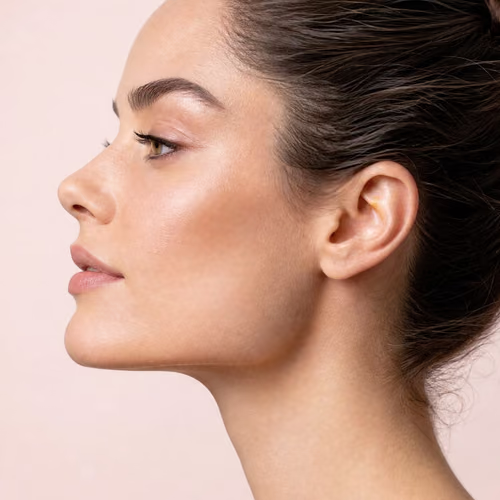 Jawline definitionJawline definition describes how clearly the lower border of the face is seen.
- Loose abdominal skinLoose abdominal skin no longer closely follows the abdominal contour.
- Loose skin on the legsLoose leg skin may appear as creasing, folds or tissue hanging away from the thigh or knee contour.
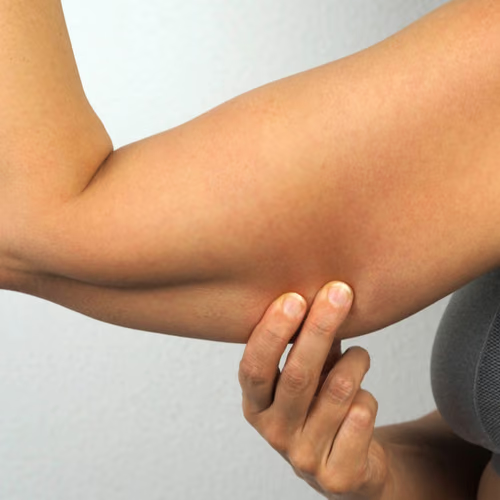 Loose upper-arm skinLoose upper-arm skin hangs or folds away from the underlying contour.
 Marionette linesMarionette lines are folds extending from the corners of the mouth towards the chin or jaw.
 Nasolabial foldsNasolabial folds are the natural creases running from the sides of the nose towards the corners of the mouth.
- Perceived vaginal laxityPerceived vaginal laxity is a feeling of reduced vaginal tightness or support.
- Sagging buttocksSagging buttocks describe descent or looseness of buttock skin and tissue, often with a lower fold or reduced upper fullness.
 Sagging neck skinLoose neck skin is skin laxity or folding beneath the chin and along the neck.
- Thigh fatThigh fat describes localised subcutaneous fullness in the thighs.
- Uneven buttock contourUneven buttock contour includes asymmetry, dents, bulges or different shape between sides.
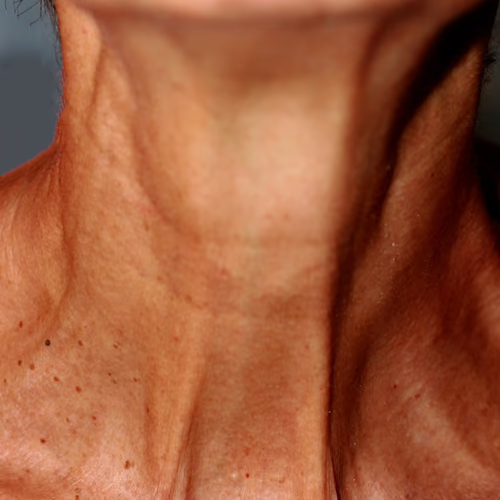 Vertical neck bandsVertical neck bands are cord-like lines that become visible from the jaw towards the collarbone, especially when tensing the neck.
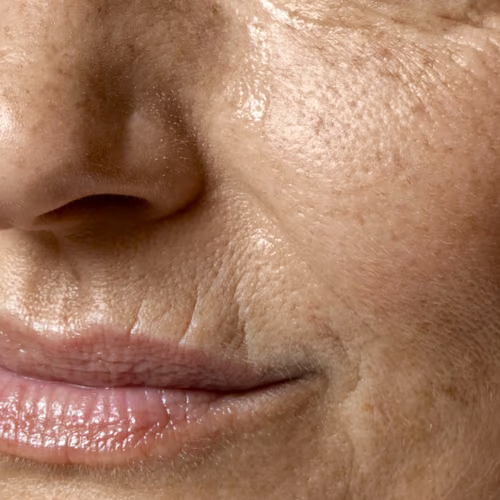 WrinklesWrinkles are fine lines or deeper folds that can develop across the face.
FAQ
Is HIFU painful?
The sensation varies according to individual sensitivity and treated area. Most patients describe tolerable heat and tingling. Areas with little adipose tissue (periorbital region, bony jawline) may be more sensitive. Topical anesthesia can be applied to improve comfort.
How many sessions are necessary?
Unlike some treatments that require multiple sessions, HIFU generally produces significant results after a single session. Additional sessions may be considered to optimize results or target specific areas, but are not systematically necessary.
What is the difference between HIFU and radiofrequency?
Although both technologies use heat to stimulate collagen, they differ fundamentally. Radiofrequency heats tissues through electrical resistance and acts primarily on the superficial and middle dermis. HIFU uses focused ultrasound allowing much greater depths to be reached (up to the SMAS at 4.5 mm) without affecting superficial layers.
Is there social downtime after treatment?
No. One of HIFU's major advantages is the absence of recovery time. Slight redness may persist for a few hours but can be concealed with makeup. You can resume your activities immediately after the session.
Can HIFU replace a surgical facelift?
HIFU cannot equal the results of a surgical facelift, particularly in cases of severe laxity. It is an excellent option for people with mild to moderate laxity or wishing to delay surgery. For significant laxity with marked excess skin, surgical facelift remains the reference.
At what age can you start HIFU?
Although there is no strict age limit, HIFU is generally recommended from age 30, when the first signs of laxity appear. Younger people who still have optimal collagen production generally do not derive significant benefit. After 60, effectiveness may be limited due to more advanced laxity.
Does HIFU work on all skin types?
Yes. Unlike lasers that target melanin, HIFU is not chromophore-dependent and can be safely used on all Fitzpatrick phototypes. Studies have specifically validated its efficacy and safety on Asian skin (phototypes III-IV).
Can HIFU be combined with other treatments?
Yes. HIFU can be safely combined with other aesthetic treatments for complementary results. Common combinations include botulinum toxin (for expression wrinkles), hyaluronic acid fillers (to restore volumes), chemical peels, or laser treatments. An appropriate interval between treatments must be respected according to established protocols.
What post-treatment care is recommended?
To optimize and prolong HIFU results:
- Intensive hydration (drink at least 2 liters of water per day)
- Rigorous sun protection (daily SPF 30+)
- Avoid intense sun exposure within 48h following treatment
- Use moisturizing care and collagen-stimulating serums
- Maintain a healthy lifestyle (balanced diet, sufficient sleep, limit alcohol and tobacco)
- Avoid intense physical exercise for 24-48h
Can HIFU treat drooping eyelids?
This question requires a nuanced answer and a major warning.
Although some practitioners offer HIFU treatments for eyelids, this application carries serious and documented ocular risks. Several cases of severe complications have been published in peer-reviewed medical journals, including traumatic cataracts requiring surgery, iris lesions, corneal opacities, and significant vision loss.
Scientific facts:
- Complications occur because ultrasound energy (65-75°C) can pass through the eyelid and reach ocular structures (cornea, iris, lens)
- The shape of lens lesions corresponds exactly to the device's focal point, demonstrating the direct thermal mechanism
- The majority of severe reported cases involved treatments performed WITHOUT adequate eye protection
If you are considering this treatment:
- IMPERATIVELY require the use of certified medical protective eye shields
- The practitioner must use a device with real-time ultrasound visualization
- Prioritize a physician specifically trained in periorbital treatment
- Be informed of risks: even with protection, zero risk does not exist
- Safer alternatives include surgical blepharoplasty or other non-invasive technologies
Medical recommendation: The periorbital region is considered a high-risk area for HIFU. Modest aesthetic benefits must be carefully weighed against potential risks of permanent ocular complications.
Can HIFU worsen skin sagging?
When performed correctly, HIFU does not cause worsening. However, cases of excessive fat atrophy with paradoxical sagging have been reported when energy is inappropriately delivered to superficial or deep fat layers. This is why it is crucial to choose an experienced practitioner using a device with ultrasound visualization.
Are HIFU results immediate?
A slight tightening effect may be visible immediately after the session due to initial collagen contraction. However, true results appear progressively over 2 to 3 months, the period necessary for neocollagenesis to reach its maximum. Patience is therefore essential.
Can HIFU treat acne or scars?
HIFU is not indicated for treating active acne or acne scars. Its main action is lifting and skin firming. Other technologies such as fractional lasers or fractional radiofrequency microneedling (e.g. Morpheus8) are more appropriate for improving skin texture and acne scars.
Sources and medical references
- Fabi SG, Goldman MP, Guiha I. A Systematic Review of High-Intensity Focused Ultrasound in Skin Tightening and Body Contouring. Aesthet Surg J. 2025;sjaf155. doi:10.1093/asj/sjaf155
- Lee HS, Jang WS, Cha YJ, et al. High-Intensity Focused Ultrasound for the Treatment of Wrinkles and Skin Laxity in Seven Different Facial Areas. Ann Dermatol. 2015;27(6):688-693. doi:10.5021/ad.2015.27.6.688
- Suh DH, Oh YJ, Lee SJ, et al. A systematic review and meta-analysis of safety and efficacy of high-intensity focused ultrasound (HIFU) for face and neck rejuvenation. J Cosmet Laser Ther. 2020;22(2):85-92. doi:10.1080/14764172.2020.1722125
- Oni G, Hoxworth R, Teotia S, et al. Efficacy of high-intensity focused ultrasound in facial and neck rejuvenation. Aesthet Surg J. 2019;39(8):NP302-NP311. doi:10.1093/asj/sjz058
- Manoloudaki E, Savvidi P, Sakkas N, et al. Complications and Risks of High-Intensity Focused Ultrasound (HIFU) in Esthetic Procedures: A Review. Appl Sci. 2025;15(9):4958. doi:10.3390/app15094958
- Casabona G, Marchese P. Do Different High-Intensity-Focused Ultrasound Frequencies Have Different Effects? A Histological Analysis Correlated With Patients' Subjective Assessments. Dermatol Surg. 2025;51(1):19-26. doi:10.1097/DSS.0000000000004366
- Alam M, White LE, Martin N, Witherspoon J, Yoo S, West DP. Ultrasound tightening of facial and neck skin: a rater-blinded prospective cohort study. J Am Acad Dermatol. 2010;62(2):262-269. doi:10.1016/j.jaad.2009.06.039
- Ko EJ, Hong JY, Kwon TR, et al. Efficacy of a home-used high-intensity focused ultrasound device on wrinkle reduction. J Cosmet Dermatol. 2023;22(3):864-872. doi:10.1111/jocd.15588
- Chan NP, Shek SY, Yu CS, Ho SG, Yeung CK, Chan HH. Safety study of transcutaneous focused ultrasound for non-invasive skin tightening in Asians. Lasers Surg Med. 2011;43(5):366-375. doi:10.1002/lsm.21070
- Suh DH, Shin MK, Lee SJ, et al. Study of efficacy of esthetic High-Intensity Focused Ultrasound system on Iranian skin for reducing the laxity and wrinkles of aging. J Cosmet Laser Ther. 2017;19(3):141-145. doi:10.1080/14764172.2016.1262960
- Wulkan AJ, Fabi SG, Green JB. Microfocused ultrasound for facial photorejuvenation: A review. Facial Plast Surg. 2016;32(3):269-275. doi:10.1055/s-0036-1582234
- Kerscher M, Wanitphakdeedecha R, Chayavichitsilp P, et al. Customized Treatment Using Microfocused Ultrasound with Visualization for Optimized Patient Outcomes. J Clin Aesthet Dermatol. 2018;11(11):E61-E68.
- Kaw U, Ilyas M, Bullock T, Rittwage L, Kollhoff R, White WM. A Systematic Review of the Efficacy of Microfocused Ultrasound for Facial Skin Tightening. Aesthet Surg J. 2023;43(5):NP405-NP418. doi:10.1093/asj/sjac317
- Yang Y, Ma RH, Yan XY, et al. Safety and Efficacy of High-Intensity Focused Ultrasound and Monopolar Radiofrequency Combination Therapy for Skin Tightening. Cureus. 2024;16(2):e54486. doi:10.7759/cureus.54486
- Budamakuntla L, Loganathan E, George A, et al. Neocollagenesis and Neoelastinogenesis: From the Laboratory to the Clinic. J Cutan Aesthet Surg. 2015;8(3):145-153. doi:10.4103/0974-2077.167269
- Chen J, Zhang S, Liu L, et al. Quantified Facial Rejuvenation Utilizing High Intense Focus Ultrasound with Multiple Penetrative Depths. Plast Reconstr Surg Glob Open. 2022;10(3):e4149. doi:10.1097/GOX.0000000000004149
- Xiao G, Jan C, Hong L, et al. Eye injuries caused by high intensity macro and micro focused ultrasound treatment: a case report. BMC Ophthalmol. 2024;24(1):390. doi:10.1186/s12886-024-03645-w
- Takeuchi T, Igarashi S, Kobayashi E, Sato H. Acute cataract by a high-intensity focused ultrasound procedure: a case report. BMC Ophthalmol. 2022;22(1):168. doi:10.1186/s12886-022-02390-2
- Mendes JA, Taiar IT, Cialdine NP, et al. Cornea opacity, uveitis with iris atrophy and lens damage following cosmetic high-intensity ultrasound of the eyelid: a case report. BMC Ophthalmol. 2023;23(1):211. doi:10.1186/s12886-023-02947-9
- Chen Y, Shi Z, Shen Y. Eye damage due to cosmetic ultrasound treatment: a case report. BMC Ophthalmol. 2018;18(1):214. doi:10.1186/s12886-018-0891-2

 5