



CO₂ Laser Resurfacing — What It Really Does
CO₂ laser resurfacing treats texture, fine lines, acne scars, and sun damage by creating controlled microscopic columns of heat in the skin. Your body replaces the treated zones with new collagen and smoother epidermis. When performed fractionally (tiny dots, not a full sheet), it accelerates healing while still delivering meaningful results.
How It Works (Science, Simplified)
The CO₂ laser emits energy at a wavelength of 10,600 nanometers, which is strongly absorbed by water — and our skin is mostly water. That energy turns to heat, vaporising micro-columns of old or damaged skin and triggering the body’s repair response. The deeper dermis heats just enough to stimulate collagen production, while the surface regenerates with fresher, more even-toned skin.
This double action — resurfacing and remodelling — is what makes CO₂ more powerful than most other skin treatments. Modern fractional devices allow control over depth, density, and pulse duration, so clinicians can adjust treatment from a light refresh to a deep corrective pass.
Where It Helps Most
- Under eyes: crepey texture, fine wrinkles
- Around the mouth: "barcode" lines, lip wrinkles
- Cheeks: acne scars, pores, rough skin
- Forehead and temples: texture and sun damage
- Neck, chest, hands: often treated with lighter settings
Who Is a Good Candidate?
You’re likely a great match if you:
- Want visible improvement in texture, scars, or lines — and are willing to take 5–7 days off social activities while you heal.
- Have fair to medium skin tone (Fitzpatrick I–III) or darker skin with pre-treatment and pigment care. CO₂ is not just for pale skin, but protocols must be cautious in deeper tones.
- Don’t have active acne, melasma flares, or uncontrolled medical conditions that might affect healing.
- Are realistic: this isn’t a miracle wand, but it can reset years of damage in one well-performed session.
- Understand aftercare is critical — SPF, barrier repair, and downtime discipline all matter for results.
Ablative vs Fractional: Key Differences
- Fully ablative CO₂ removes 100% of the treated skin surface → strong tightening, longer healing.
- Fractional CO₂ treats microscopic zones only → less downtime, safer across more skin types.
Modern resurfacing almost always uses the fractional method — it’s more precise, more adaptable, and easier to recover from.
Why It’s So Effective Under the Eyes
The lower eyelids are tricky to treat without surgery — but fractional CO₂ is one of the rare non-surgical methods that can:
- Tighten crepey, thin skin
- Reduce fine lines and sagginess
- Improve skin snap and firmness
Results in this zone often surpass what’s possible with filler or skincare alone. Done right (with internal eye shields and modest energy), it’s a standout.
What the Session Looks Like
- Pre-care: no sun, no retinoids; antiviral if prone to cold sores
- Anesthesia: topical numbing; sometimes nerve blocks or light sedation
- Duration: 20–60 minutes depending on the area
- Sensation: warm to hot during; like a sunburn after
Recovery Timeline (Realistic)
Days 1–3: bronzing, swelling, oozing → skin looks sunburned/peeling. Sleep elevated, avoid makeup, use barrier cream.
Days 4–7: crusts lift, pink fresh skin underneath. You’re past the peak, but skin is still delicate.
Week 2+: redness fades, makeup sits better, texture already improved. Collagen builds for months.
How Many Sessions?
- Photoaging/fine lines: 1–2 sessions, 6+ months apart
- Acne scars: often 2–4 sessions, spaced 2–3 months apart
- Under eyes only: sometimes a single session brings visible change; may repeat yearly
CO₂ vs Er:YAG vs Non-Ablative Fractional
- CO₂: strong tightening, most collagen boost → more downtime
- Er:YAG: less heat, faster recovery → less firming effect
- Non-ablative: safe for all skin types, no downtime → more sessions, milder effect
Risks, Precautions & Aftercare
Common: redness, peeling, crusting, swelling, itching
Possible: acne breakouts, milia, temporary pigment change (especially in darker skin)
Rare but serious: infection, scarring, hypo/hyperpigmentation — often avoidable with proper protocols and aftercare
Aftercare essentials:
- Apply occlusive cream until healed
- Avoid sun and heat for 4–6 weeks
- SPF 50 daily — no exceptions
- No picking, scrubbing, or exfoliants until cleared
Real Results (What Patients Notice)
- By week 2: glow, smoother texture, smaller pores
- By month 1–3: firmer skin, softened scars and lines
- By month 6: full collagen renewal; skin feels denser, more elastic
Cost of CO₂ Laser Resurfacing
In Belgium, prices vary by treatment area, device, and provider experience.
- Small zone (e.g. under eyes, upper lip): from €470
- Full face: €800–€1,500
- Neck or chest: €600–€1,000
- Multiple areas combined (e.g. face + neck): from €1,500
Note: These are aesthetic treatments and not reimbursed by insurance. Always ask for a quote during consultation.
Final Thought
CO₂ laser resurfacing is a powerful way to renew your skin from the inside out — especially when scars, lines, or texture need more than skincare can offer. With one week of downtime, it offers months (even years) of visible results.
When performed by experienced hands, with the right settings for your skin, it’s one of the most rewarding non-surgical treatments available today.
Concerns CO2 Laser Resurfacing can treat
- Abdominal scarsAbdominal scars may follow surgery, caesarean birth, injury, burns, infection or piercing.
- Abdominal stretch marksAbdominal stretch marks, or striae, are linear dermal changes that form as skin stretches and remodels.
 Accordion linesAccordion lines are fine vertical or fan-shaped lines on the outer cheeks that appear when smiling.
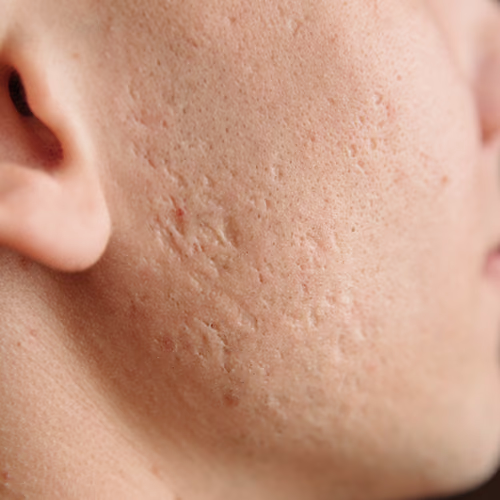 Acne scarsAcne scars are lasting structural changes after acne inflammation.
- Age spots on the handsAge spots, usually solar lentigines, are flat, well-defined brown marks on chronically sun-exposed skin.
- Ageing handsAgeing hands may show thinner skin, visible veins and tendons, reduced fullness, wrinkles and sun-related spots.
- Breast scarsBreast scars may follow surgery, biopsy, injury, burns or inflammation.
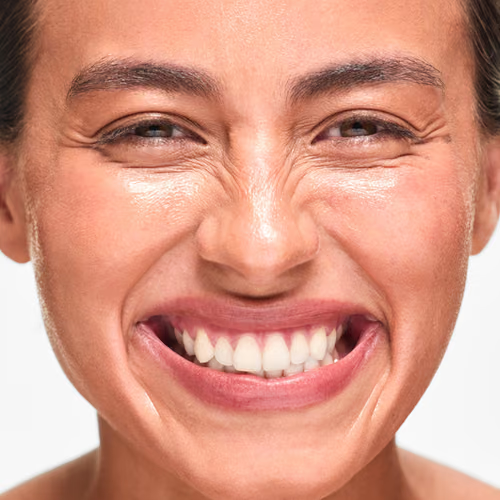 Bunny linesBunny lines are short diagonal or transverse creases on the upper sides of the nose.
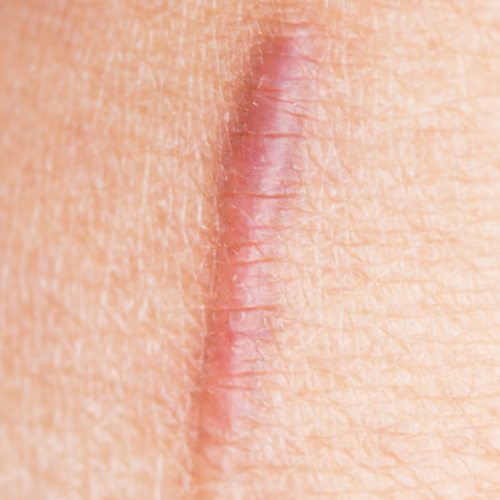 Buttock scarsButtock scars may follow acne, folliculitis, surgery, injections, trauma or infection.
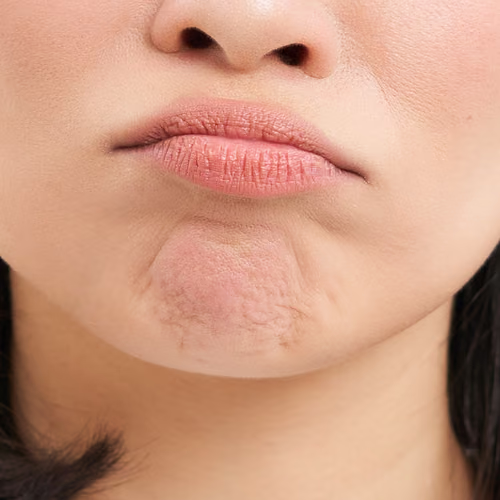 Chin wrinkles and dimplingChin wrinkles may appear as a horizontal crease below the lower lip or as a pebbled, dimpled texture over the chin.
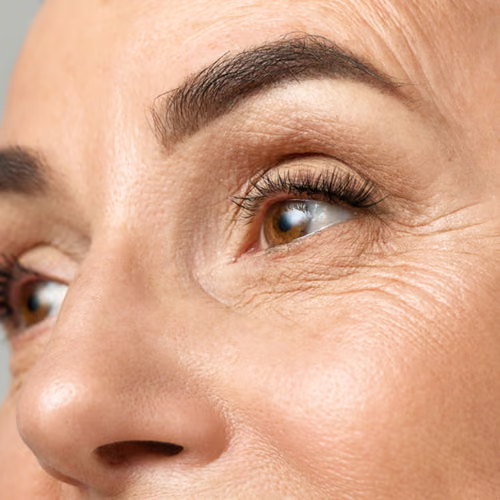 Crow's feetCrow's feet are lines that fan out from the outer corners of the eyes.
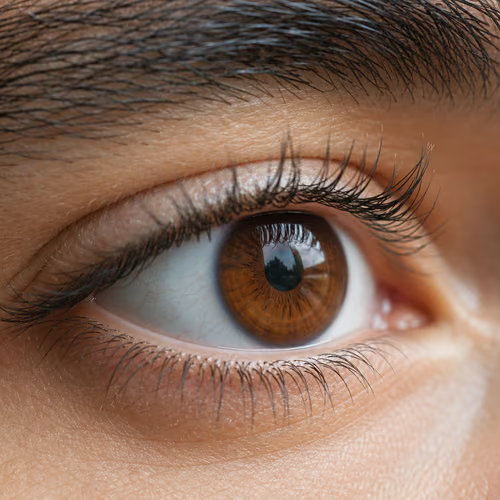 Eye-area concernsEye-area concerns can include dark circles, puffiness, hollows, excess upper-lid skin and fine lines.
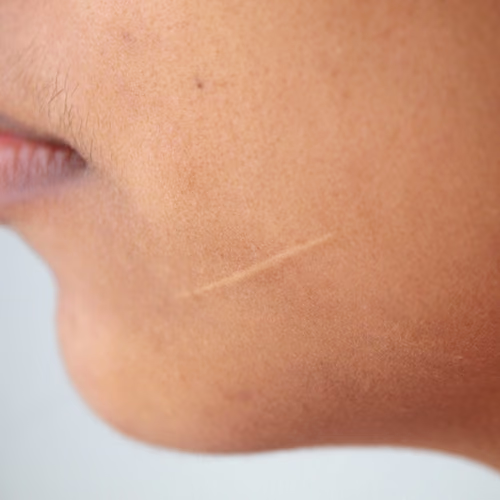 Facial scarsFacial scars form as skin repairs a deeper injury, operation, burn or inflammatory condition.
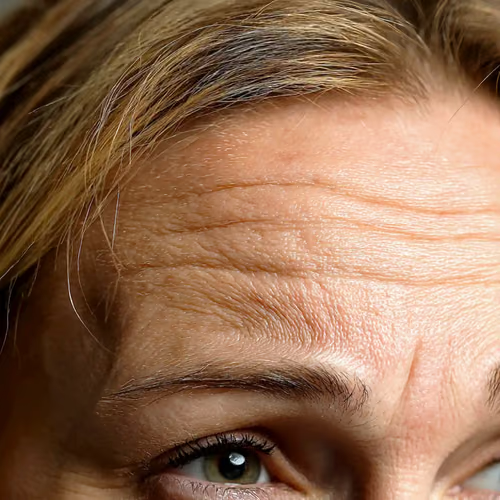 Forehead linesForehead lines are horizontal creases that appear when the frontalis muscle raises the eyebrows.
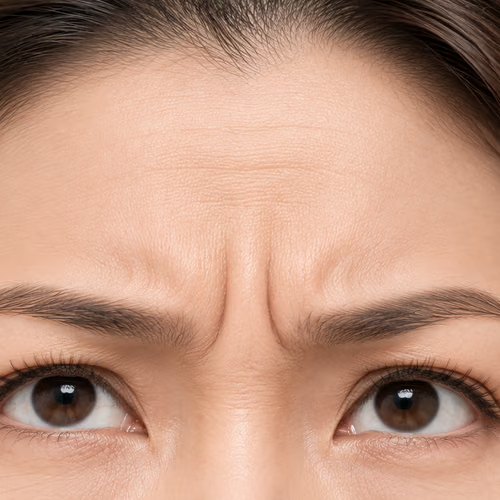 Frown linesFrown lines are vertical or slightly angled creases between the eyebrows, sometimes accompanied by a horizontal line across the bridge of the nose.
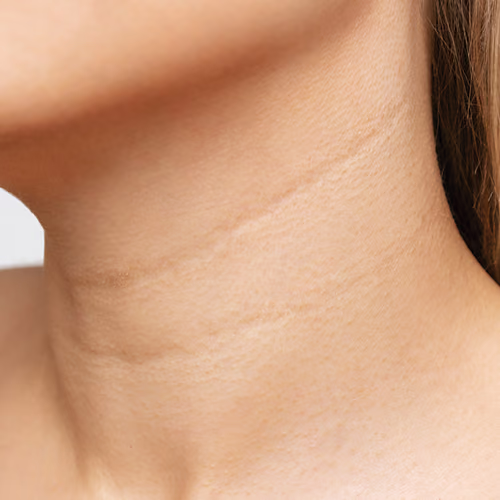 Horizontal neck linesHorizontal neck lines are creases that run across the front or sides of the neck.
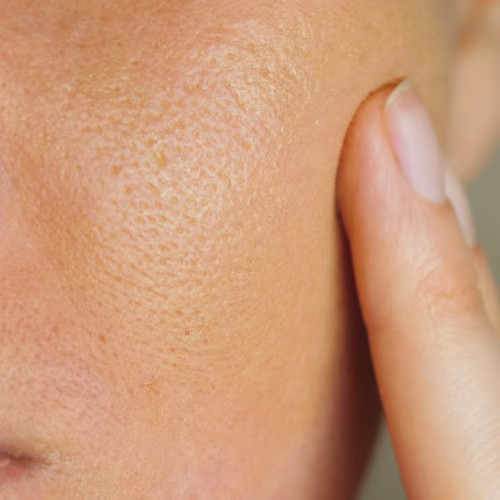 Large poresEnlarged pores are visible openings of hair follicles and their oil glands, most often on the nose and central face.
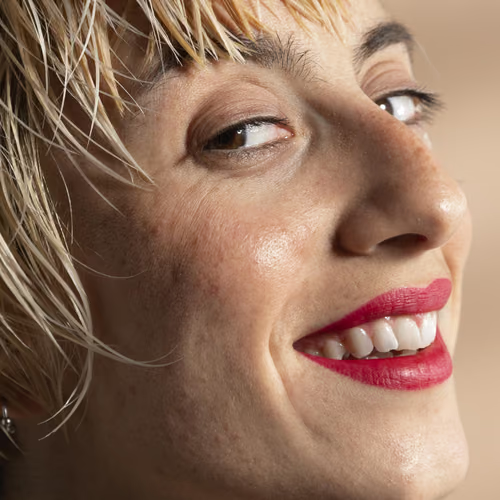 Marionette linesMarionette lines are folds extending from the corners of the mouth towards the chin or jaw.
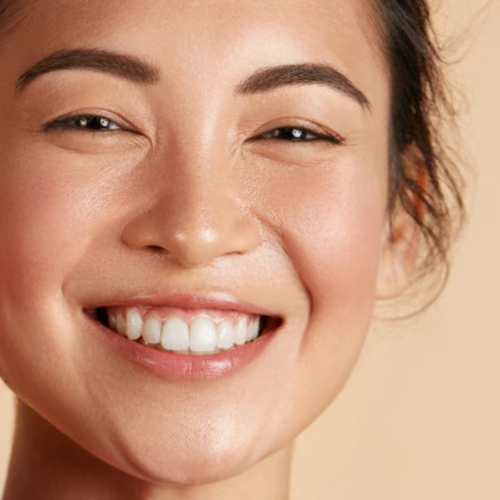 Nasolabial foldsNasolabial folds are the natural creases running from the sides of the nose towards the corners of the mouth.
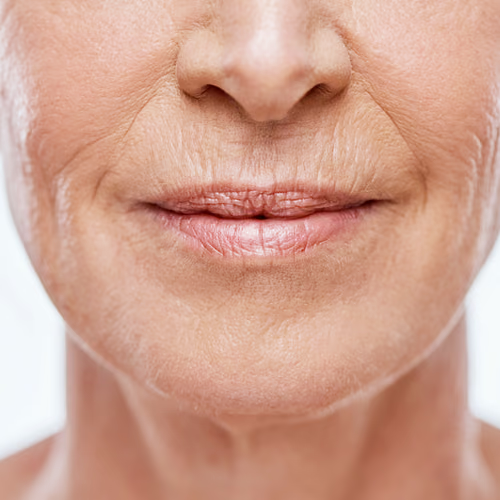 Perioral wrinklesPerioral wrinkles are fine or deeper lines around the mouth, including but not limited to vertical upper-lip lines.
- Scalp scarsScalp scars may follow injury, burns, surgery or conditions that destroy hair follicles.
- Scars on legs and armsLimb scars may follow injury, surgery, burns, infection, acne or inflammation.
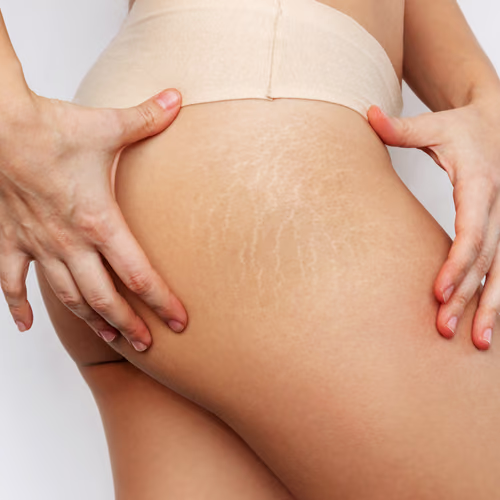 Stretch marks on legs and armsLimb stretch marks are linear dermal changes that often appear during puberty, pregnancy, rapid weight change or muscle growth.
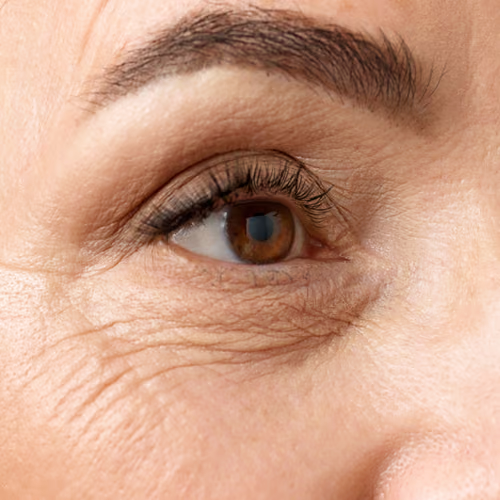 Under-eye wrinklesUnder-eye wrinkles are fine lines in the thin skin beneath the lower eyelids.
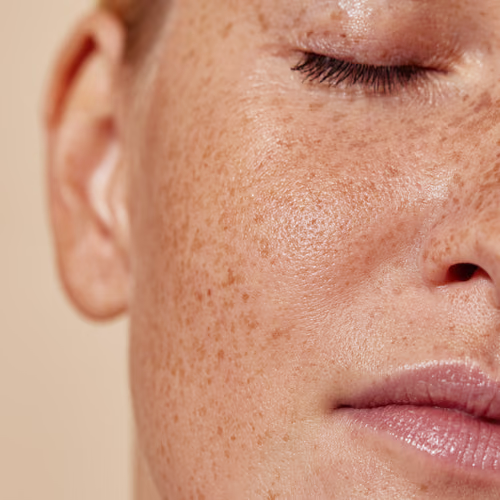 Uneven skin toneUneven skin tone describes areas that look darker, lighter or redder than surrounding skin.
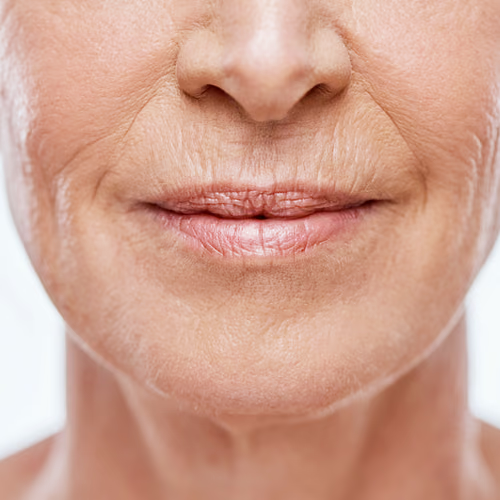 Vertical lip linesVertical lip lines are short creases crossing the lip border or extending into the skin above or below it.
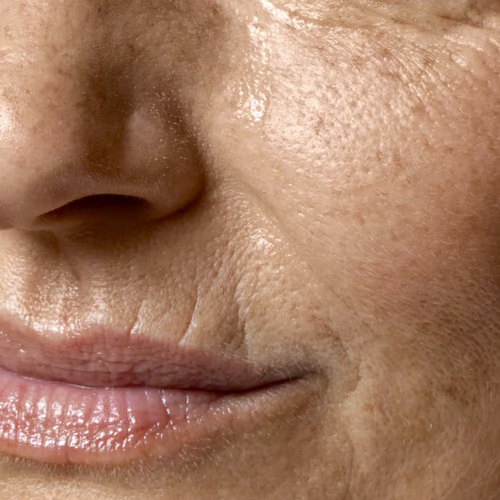 WrinklesWrinkles are fine lines or deeper folds that can develop across the face.
FAQ
What concerns can CO₂ laser resurfacing treat?
CO₂ laser resurfacing improves skin texture, fine lines, acne scars, sun damage, enlarged pores, crepey under-eye skin, and roughness across the face, neck, chest, and hands.
How is CO₂ laser resurfacing different from other laser treatments?
CO₂ laser resurfacing penetrates deeper and triggers more collagen than Er:YAG or non-ablative lasers. That’s why results are stronger — but downtime is longer. Other lasers are gentler but give milder improvement.
What is the difference between ablative and fractional CO₂ laser resurfacing?
Fully ablative CO₂ laser resurfacing removes the entire skin surface of the treated area, creating strong tightening but requiring longer healing.
Fractional CO₂ laser resurfacing treats small micro-columns, offering safer, faster recovery and is the modern standard.
Is CO₂ laser resurfacing safe for darker skin tones?
CO₂ laser resurfacing can be safe for darker Fitzpatrick skin types, but only with pigment-prep protocols and very careful settings. An experienced clinician must evaluate to avoid hyperpigmentation or light patches.
Why is CO₂ laser resurfacing so effective for under-eye wrinkles?
Because CO₂ laser resurfacing can tighten thin, crepey eyelid skin, reduce fine lines, and improve firmness — offering results that skincare and fillers alone can’t achieve. It’s one of the strongest non-surgical under-eye treatments when performed correctly.
Does CO₂ laser resurfacing hurt?
Most people feel heat or stinging during the session. Topical numbing, nerve blocks, or mild sedation keep the procedure comfortable. Afterward, the skin feels like a strong sunburn for a few hours.
What is recovery like after CO₂ laser resurfacing?
Expect bronzing, crusting, swelling, and peeling for several days. Fresh pink skin appears around days 4–7. Redness improves over the next weeks while collagen continues building for months.
How long does it take to see results from CO₂ laser resurfacing?
You’ll see early improvements once peeling stops (1–2 weeks). Firmness, smoother scars, and long-term texture gains from CO₂ laser resurfacing appear over 1–6 months as collagen rebuilds.
How many sessions are needed with CO₂ laser resurfacing?
Most people need 1–2 sessions for fine lines and sun damage, and 2–4 sessions for acne scars. Under-eye CO₂ laser resurfacing may require only one session, with optional yearly maintenance.
What are the risks of CO₂ laser resurfacing?
Common effects include redness, peeling, swelling, and itching. Possible effects include acne flare-ups, milia, or temporary pigment changes. Rare complications from CO₂ laser resurfacing include infection, scarring, or long-term hypo/hyperpigmentation.
How should I take care of my skin after CO₂ laser resurfacing?
Keep the skin hydrated with occlusive creams, avoid sun and heat for 4–6 weeks, wear SPF 50 daily, and avoid picking or exfoliating until cleared. Proper aftercare significantly improves results and reduces risks.
How long do the results of CO₂ laser resurfacing last?
Results often last years, depending on sun exposure, skincare, and lifestyle. Skin continues aging naturally, but many patients maintain results with yearly touch-ups.
How much does CO₂ laser resurfacing cost?
In Belgium, small zones (under-eye, upper lip) start around €470, full face ranges €800–€1,500, and neck or chest around €600–€1,000. Combined areas start from €1,500. CO₂ laser resurfacing is not reimbursed.
How much does CO₂ laser resurfacing cost in the UK?
Published private prices include about £395–£450 for a small area such as around the mouth and £750–£995 for full-face fractional CO₂ resurfacing at some clinics. More intensive resurfacing can cost several thousand pounds. Ask which laser technique and areas the quote covers, and whether it is for one session or a course.
Who should avoid CO₂ laser resurfacing?
Avoid treatment if you have active acne, melasma flare, recent isotretinoin use, infections, cold sores (without antiviral prep), or medical conditions that impair healing. A consultation will determine suitability.
Is CO₂ laser resurfacing better than microneedling or skincare?
For deeper texture issues, scars, and fine lines, yes. CO₂ laser resurfacing reaches dermal layers that topical skincare and microneedling cannot, producing stronger and longer-lasting results — with more downtime.
Sources and medical references
- Wu X, Cen Q, Jin J, Gao W, Shang Y, Huang L, Lin X. An Effective and Safe Laser Treatment Strategy of Fractional Carbon Dioxide Laser for Chinese Populations with Periorbital Wrinkles: A Randomized Split-Face Trial. Dermatol Ther (Heidelb). 2025 Jun;15(6):1307-1317. doi: 10.1007/s13555-025-01404-3. Epub 2025 Apr 12. PMID: 40220259; PMCID: PMC12092846.
- Bonan P, Campolmi P, Cannarozzo G, Bruscino N, Bassi A, Betti S, Lotti T. Eyelid skin tightening: a novel 'Niche' for fractional CO₂ rejuvenation. J Eur Acad Dermatol Venereol. 2012 Feb;26(2):186-93. doi: 10.1111/j.1468-3083.2011.04034.x. Epub 2011 Mar 24. PMID: 21435023.
- Zhang DD, Zhao WY, Fang QQ, Wang ZC, Wang XF, Zhang MX, Hu YY, Zheng B, Tan WQ. The efficacy of fractional CO2 laser in acne scar treatment: A meta-analysis. Dermatol Ther. 2021 Jan;34(1):e14539. doi: 10.1111/dth.14539. Epub 2020 Nov 23. PMID: 33190373.
- Russel SM, Clark JM. Periorbital rejuvenation in the clinic: A state-of-the-art review. World J Otorhinolaryngol Head Neck Surg. 2023 Jul 28;9(3):242-248. doi: 10.1002/wjo2.124. PMID: 37780673; PMCID: PMC10541170.
- Bin Dakhil A, Shadid A, Altalhab S. Post-inflammatory hyperpigmentation after carbon dioxide laser: review of prevention and risk factors. Dermatol Reports. 2023 May 19;15(4):9703. doi: 10.4081/dr.2023.9703. PMID: 38205425; PMCID: PMC10777097.
- Watson AH, Van Brummen A, Somogyi MB, Homer N, Nakra T. Potent Periorbital Fractionated CO 2 Laser Resurfacing. Dermatol Surg. 2022 Oct 1;48(10):1089-1091. doi: 10.1097/DSS.0000000000003533. Epub 2022 Aug 9. PMID: 35947796.

 4,8